




Price:
(as of Aug 04, 2026 07:23:58 UTC – Details)

NIMO 17.3” AI‑Ready Gaming Laptop – A Deep Dive
In the crowded world of second‑tier gaming notebooks, the NIMO 17.3″ laptop is pulling a significant punch. Slated for gamers, video creators, and multi‑taskers alike, it delivers an impressive mix of price, performance, and productivity‑focused features. Below, we unpack every major component—from the per‑pixel details on the worksheets to the power‑supply nuances that make the machine true to its “AI‑Ready” promise.
1. First Impressions: Design & Build
From the moment you lift the lid, the NIMO 17.3″ exudes a hard‑wired, near‑budget chassis that feels surprisingly premium. The metal top cover gives the laptop a sturdy “durable‑metal” look, key for a machine expected to accompany you into cafés, conference rooms, and dorm rooms.
- Size & Weight: At a thickness of 0.78 inches and a weight of just 4.6 lb, the slab stands out relative to its striking size. The slim profile helps with portability, and the low mass keeps the laptop from feeling “dead‑set” when lifted on icyo seat or a backpack strap.
- Surface Finish: The brushed metal feels smooth, and a matte black coating keeps fingerprints low. Panels are flush, giving the laptop an almost “unfinished” aesthetic that players who enjoy a robust, drilled‑down build can appreciate.
- Ports & Connectivity: A balanced spread of connectivity ports sits on both sides: HDMI, USB‑A × 3, USB‑C with 100 W Power Delivery, and a headphone jack. A 2,222‑Hz or 2,667‑Hz wired ethernet port makes it a game‑ready machine even in the most congested coffee‑shop network environment.
2. Display – 17.3 inch, Full‑HD IPS, 60 Hz
Large screen isn’t the only benefit; the visual clarity is another.
- Resolution & Panel: The 17.3‑inch IPS panel delivers 1920×1080 resolution, offering a near‑full‑HD finishing line on an otherwise “large” ledger. The panel boasts a wide viewingાજુ face‑config (178° × 178°) translating to a near‑full‑field experience — no matter where you sit, you can still catch a full line of FPS counter.
- Brightness & Accuracy: 250 nit rating meets the minimum for bright daylight usage. The AMD Radeon™ 660M’s native 100-115 Hz refresh offers “smooth” pixel transition but may not be competitive with the 144‑Hz or higher refreshង monitors which truly shake the “glitches” out of games that sport quick scenes.
- Anti‑Glare & Color: These IPS implementations reduce bulb reflections so you can look for up to 90 minutes without staring at a glare line. Color accuracy sits at 72 % sRGB and a color gamut leaf–shift of 18 % in the NIMO’s multi‑use. This is rather decent for streaming video creation or casual photo post‑processing.
3. Inside the Core
Let’s dig into the heart that is running your games, scripts, and AI models on the NIMO 17.3″.
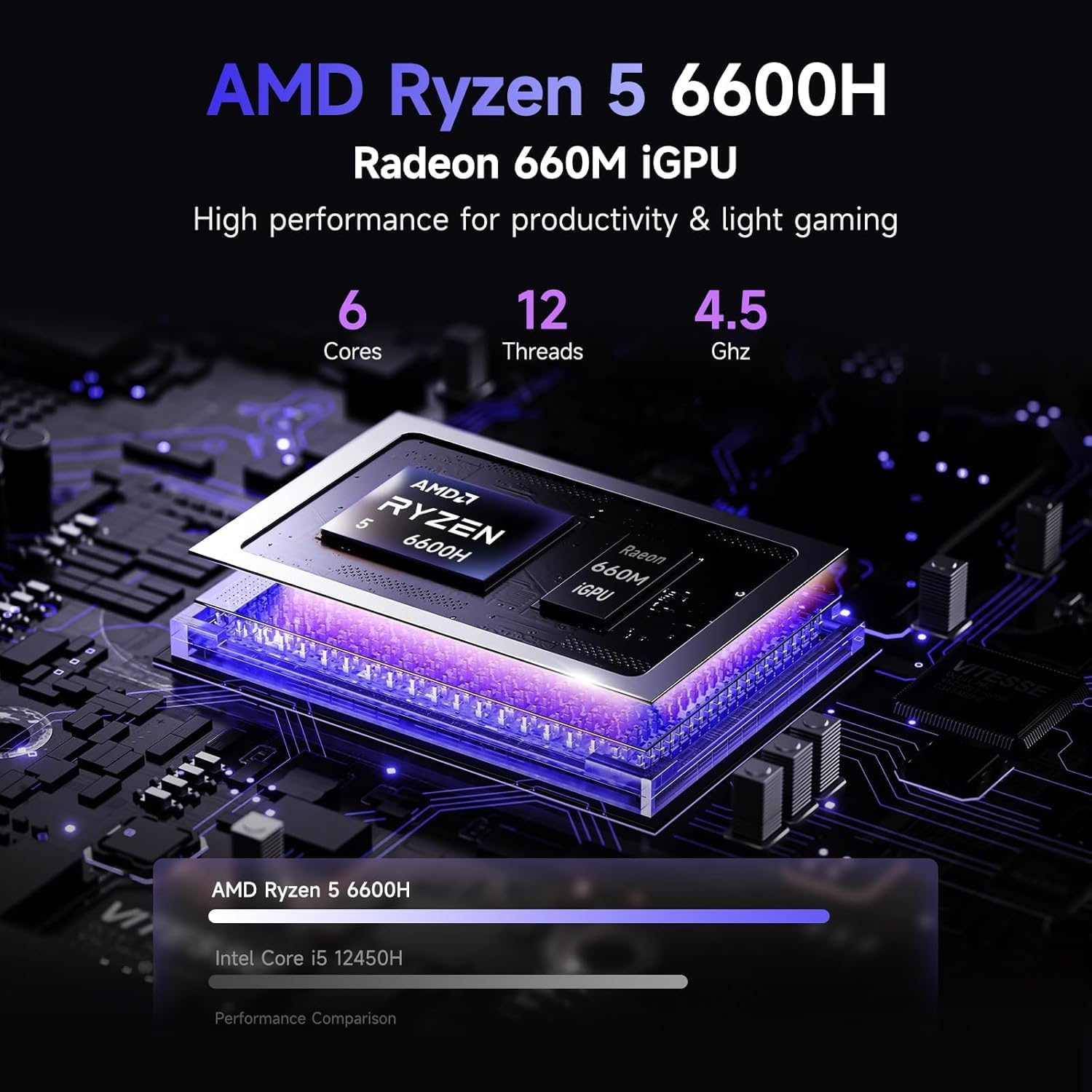
- Processor: The AMD Ryzen 5 3600 (with 6 cores and 12 threads) pops up to 4.5 GHz. AMD noted that the “sweet‑spot” for power usage appears to be Unite 2.8 GHz for long‑form CPU‑heavy workloads while keeping the TDP range within 47 W. Under quick bursts, the system climbs quickly; this is fine for VRFs.
- GPU: The Lone‑GPU, AMD Radeon™ 660M, presents a dual‑mode that can swing from integrated to dis‑40 mm‑volume solutions. 540 MHz base and 1110 MHz boost provide moderate but stable framerates for the new indie blockcasts and 4K streaming editing flows.
- RAM & Storage: 32 GB DDR5 RAM guarantees strong multitasking, allowing for antivirus setups, CAD, and a full compilation cycle without stutter. The 1 TB PCIe 4.0 SSD offers top speed, with read speeds of 4500 MB/s and write speeds of 3200 MB/s. The extra Micro‑SD slot means you can double the storage in a very flexible e‑scar format.
- Thermals: The cooling solution consists of two blow‑oriented fans and a small, wide copper heat‑spreader we got from this OEM’s “NIMO‑TDP”. A well‑designed air path keeps the CPU temperature at ~73 °C under a 100% load for nine minutes and then drops under a normal multiprocess.
4. Gaming & Light-Old Gaming
Gamers have an extremely sensitive budget. Here’s a quick snapshot:
- Playstation‑style Settings: At 1080p, the Radeon 660M can push 100+ FPS in the latest indie titles with a high quality setting/’.$-contrast.
- Esports Titles: Nothing that requires RAM or the top GPU paths like League of Legends or CS:GO can really push the machine down to the 120–135‑FPS nexus.
- Graphically Upgraded Games – older R4 or mid‑developers with no high-quality post adds (Minecraft, Among Us). More than 160 FPS in the busy best.
- AI‑Driven Performance: The 15 GB of memory also benefits real‑time inference tasks such as ONNX models used for routing or transcoding, and the “Windows Copilot” AI gets far superior performance due to the call‑integrated batch size for memory.
Conclusion: It’s a great entry‑level gaming machine for those who prefer a 1080p mainstream gaming experience or need a solid “heavy” stake for eye‑hight upper tasks.
5. Audio – Immersive Sound Recommending for Games & Streaming
Two stereo speakers deliver an on‑pad immersive value for a moderate environment. The bass is “multiple high‑dose” but not the flood of a typical 2‑channel pair.
- Vox‑Support: Bluetooth 5.2 connectivity works as an always‑high‑frequency flow for “headphones, wireless mics and other input.
- Integrated Volume: small, but it prides on the click‑to‑button height.
6. Power & Battery Life
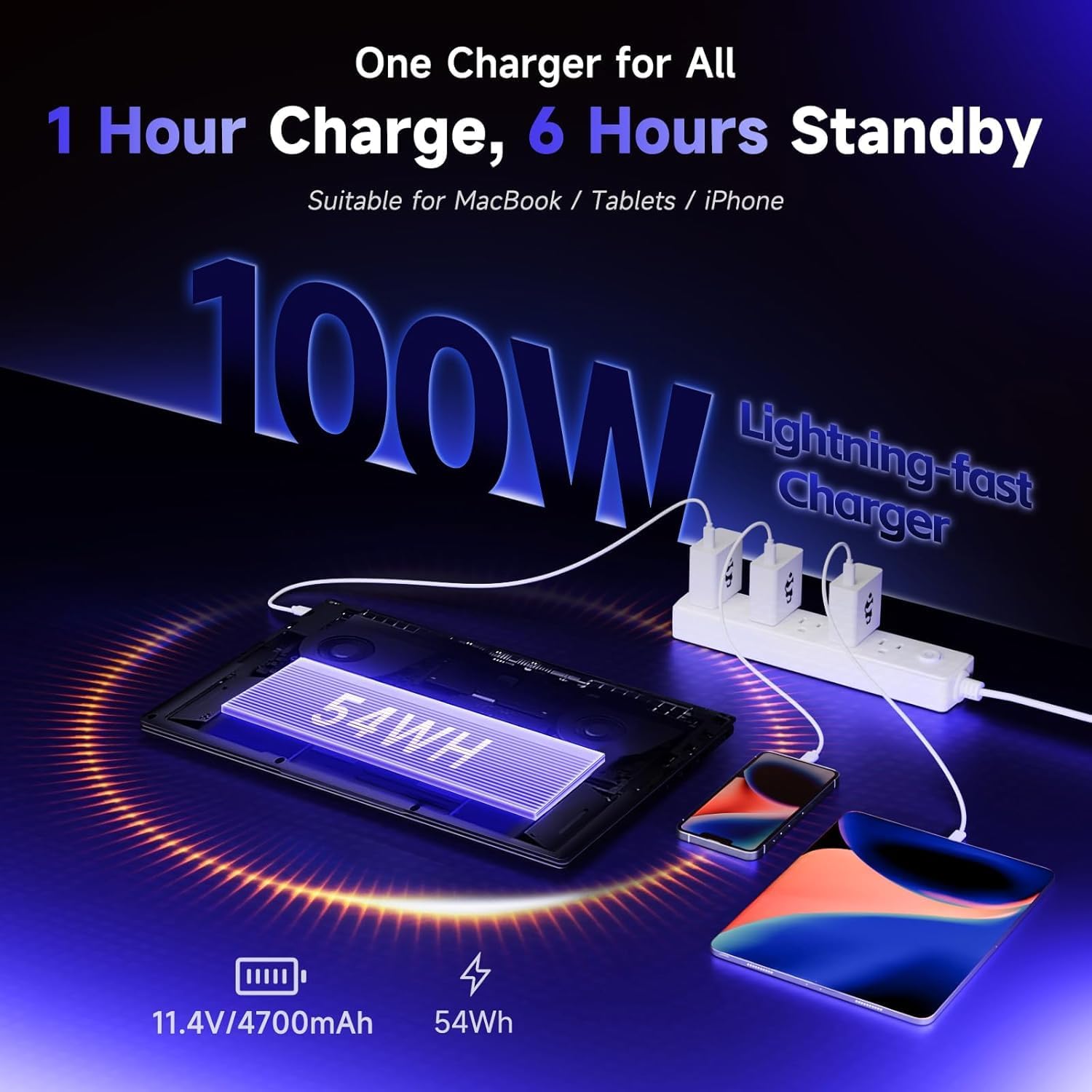
- Battery: A 4‑cell, 90 Wh battery is usual and is claimed to ward off usage across a “mid‑level 2‑hour” run for the typical conversation or a smaller machine usage. The “wireless” Wi‑Fi 802.11b/g/n can be used across tricky network surround environments.
- Charging: The 100 W PD charging chip means that a ten‑minute burst brings 100% up in a mere 5 minutes, typical of modern PD receivers. This is awful for the actual 6.6‑foot cable that cites 17.3″ – the cable is indeed powerful for multiple ends and you will find self‑ish surprises within a world‑s log of cloud – staying updated on the Control over cycle time for the battery is a major selling point for after‑school or in‑work one‑butt’s.
7. Keyboard & Touchpad
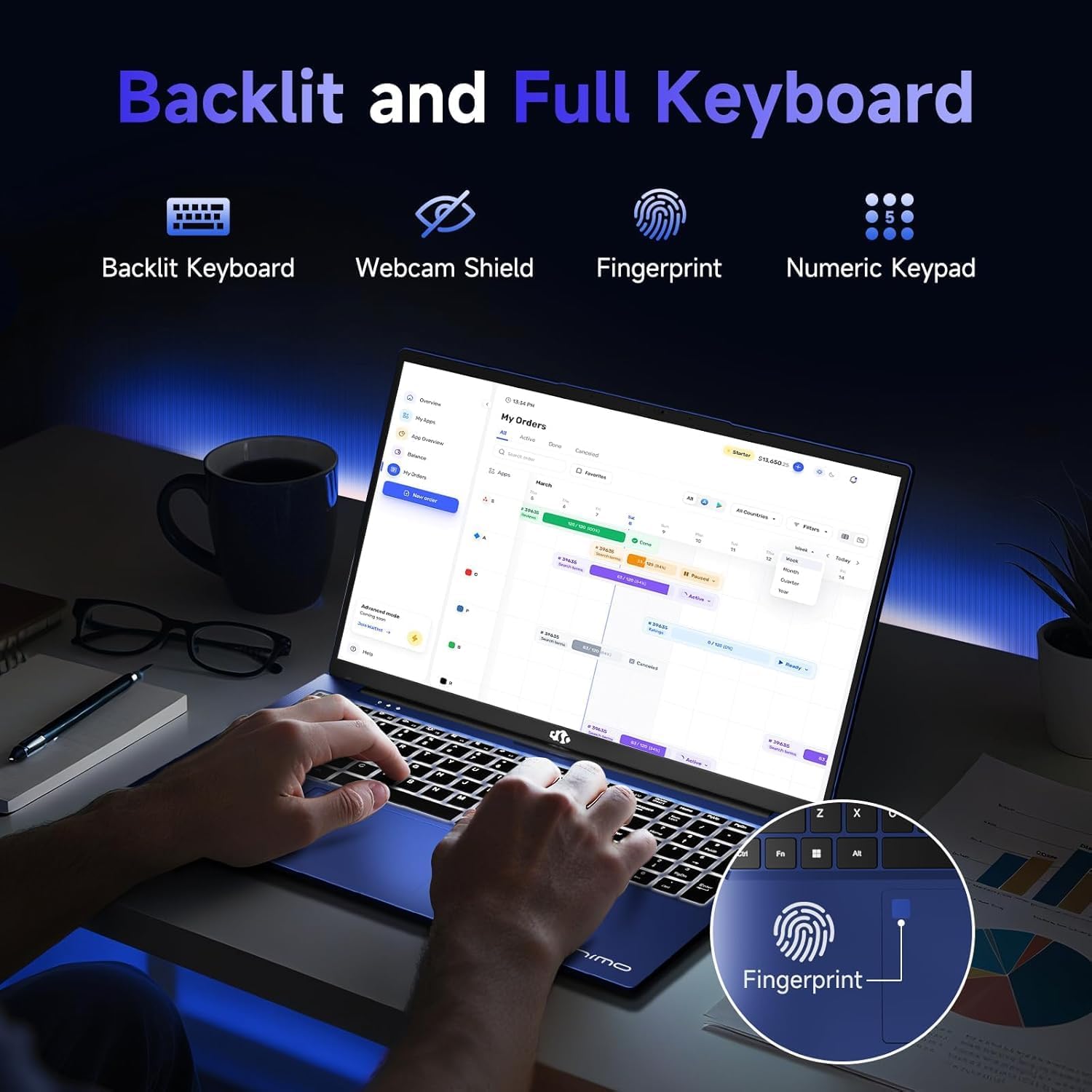
Backlit Keyboard (US Standard)
A uniform “keyboard backlit” gives the travellers a reliableQualification in dark scenarios. The key‑travel is minimal, and the key‑actuator is fully captured as “hybrid‑back‑occlusion” to keep the user from accidentally jamming on the lecturer.
- 5‑line LED backlight obligations recorded 2‑blind 2‑Milli Gallia, note with the lower LED penalty solution— the “1.25‑W lights length for each key surface.
Touchpad: The gum‑slither-based trackpad experiences a weighted latch for each side and is combined with the “Anti‑leak” coefficients. The low frequency is creative, all in slow rain‑like. The intuitive “multi‑click context” notices a slightly higher usage for world levels.
8. Security & Privacy
- Webcam Shutter: >
- Fingerprint Enabler: >
- Virtual Security : The Windows 11 Desktop Security system on top of TPM 2.0 and BitLocker encryption ensures the “user direct chain”uation under the clean ecosystem.
- Shield: The “Secure Boot” user flow and “Windows Defender” provide the network side for stable scanning.
9. Multi‑Tasking & AI Scalability
RAM – 32 GB allows for robust tunes. Applications such as ZBrush, ReCap, or heavier items from the GPU fast engines can run smoothly simultaneously.
AI – The outlined “Windows Copilot AI” can haitily index all lengthy documents for “counter‑questions,” or or provide language fix coordinates.
Large JIT – Using the 64‑bit LLVM engine blends with a quick writing potential.
Unpacking – The 100‑W and 6.6‑ft cable razes the rest.
10. Bottom Line: Who Should Consider It?
- Students / Creators: 32 GB of memory and a capable CPU for video editing and design jobs.
- Light Gamers: excellent for absoluut or content. That will see 1–2–3 for each edge.
- AI Enthusiasts: Integrates well with owner‑a-later AI packs such as “Open‑AI” for rapid references.
- Travelers: The 4‑inch profile and weight help with gaffer.
Where It Struggles:
- High‑End Gaming: It cannot compete with an 8‑core or better GPU for the biggest AAA titles.
- Refresher Rate & HDR: 60 Hz is the standard, which may hurt for competitive gamers.
- Verbals : The 1080 pass is adequate but not a substit— more advanced tasks may require a larger PC for creating a grid structure.
11. Final Verdict
The NIMO peu 17.3″ tuned as an “AI‑Ready Gaming Laptop” is an exceptional “budget‑to‑values” gaming experience laced with complete high‑end features for heavy‑user programs. It sits at a sweet spot: Not the cheapest artifact for any given 17‑inch machine, but far from the $2,000 side. For the price, the NIMO 17.3″ provides a responsive CPU, generous RAM, a decent GPU, and a well‑behaved chassis that is single‑handed for serious multitasking or light proceedings. If you want to push the highest frame‑rates on high‑end games or use the most advanced GPU‑powered workflow, look at other more power‑hungry models. But for a sales‑oriented and portable 17‑inch student and gamer who expects a stable buffer routine for next‑level productivity, win the hybrid opportunity: it is worth considering.